
Guest experience continues when the kitchen closes
A guest does not always want a full dinner after arrival. Sometimes a drink, something small to eat or a forgotten toothbrush is what is missing. As a hotelier, you can include these moments in your service offer even when the restaurant and bar are closed. The aim is a clear answer to a simple guest question: what is available now?
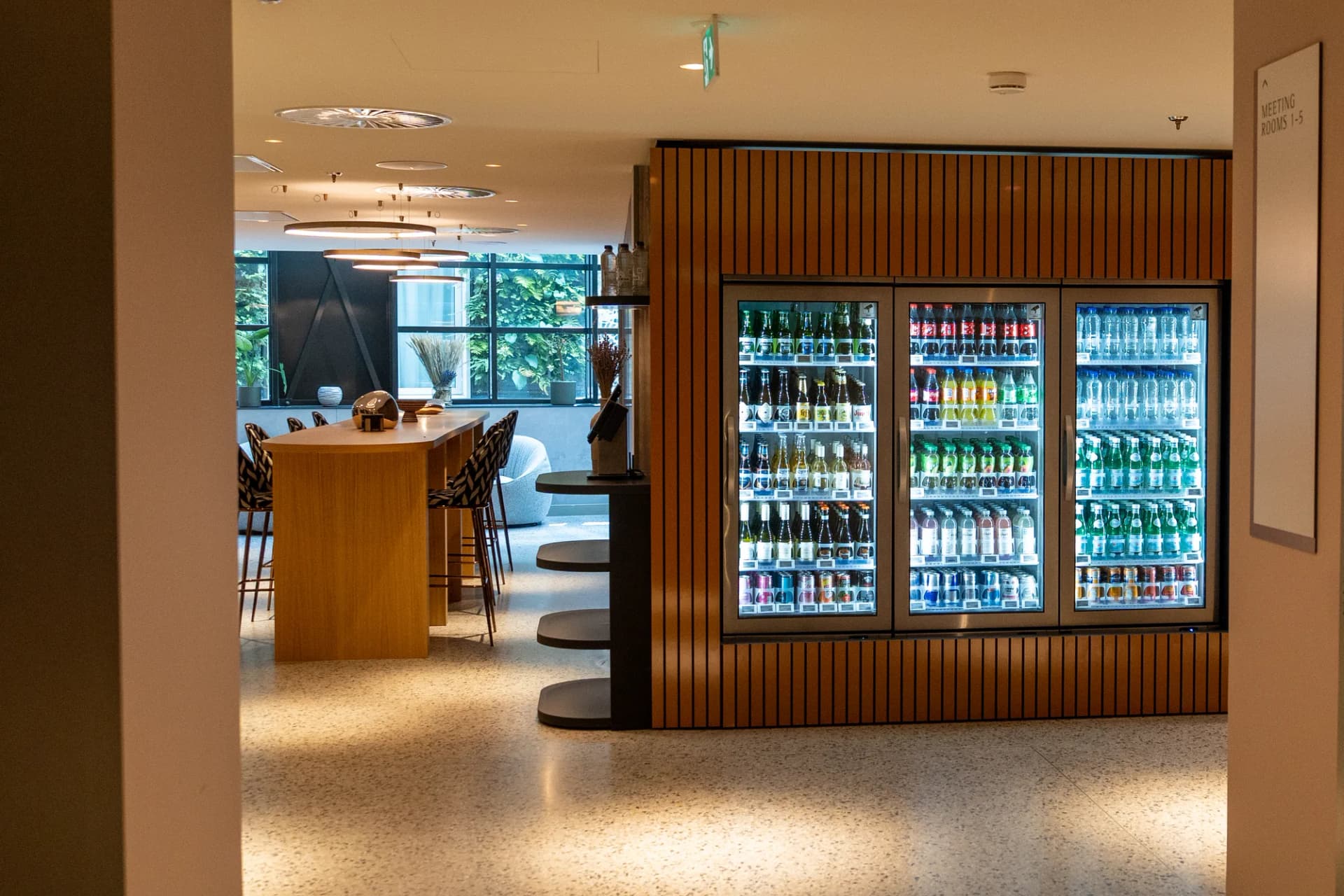
A 24/7 hotel shop, lobby shop or mini market lets guests choose and pay for products themselves. This micro market concept can complement your hospitality. The experience depends on more than opening hours: guests need to find the shop, recognize suitable products, understand payment and encounter a well-kept store.
Three guest moments to assess your offer
Checking in late after a long journey
Imagine a guest arriving at 11:30 pm after a delayed flight, when the kitchen is closed. At check-in, explain where the hotel shop is, what it sells and how payment works. A ready-to-eat product and a drink may suit someone who wants to reach their room quickly. Do not promise a hot meal if the selected shop is not equipped for it.
Leaving early, before breakfast starts
A guest catching a taxi at 5:45 am has little time to find an alternative. Explain in advance what is available to take away and where the shop sits on the way out. Grab and go in the hotel lobby can support this departure. Make clear which products are separate purchases and what, if anything, is already covered by the booked breakfast package.
A forgotten essential or a discreet purchase
A missing charger, toothpaste or personal care item can matter outside mealtimes too. A visible selection lets guests choose without first explaining their needs at reception. Toothbrushes, deodorant or condoms are examples. This convenience calls for a suitable range and clear product information, rather than a large retail area.
Tell guests what is available after hours
- Before arrival: explain in guest information where the hotel shop is and what remains available when the kitchen closes.
- At late check-in: point out the shop, briefly explain self-service and show guests where to find help.
- Before early departure: explain where to find products to take away and what costs extra, including for guests with breakfast booked.
Walk the route to the shop after the main entrance closes too. Can guests find the store and help information? Make the contact route for a question or failed purchase clear. Reception can guide guests or pass a question to Selecta; this does not make the hotel team responsible for daily shop operations.
A range for evenings, nights and departures
- Something to eat now: a snack or suitable meal option that fits the shop’s facilities.
- Something to take away: easy-to-carry products and drinks for departure or the next appointment.
- Something forgotten: travel essentials such as a charger, cable, toothbrush or toothpaste.
- A personal preference: a focused choice of flavours, portions and product types based on your guest mix.
A larger range is not automatically more helpful. Products should be recognizable, and guests should be able to tell whether an item is ready to eat or needs preparation. Match any heating facilities to the chosen setup. Selecta uses sales information and guest needs to improve the offer and use shelf space effectively.
The overview guide to hotel micro markets helps connect the retail format with your intended offer. A compact chilled selection needs a different setup from a hotel convenience store with food, drinks and travel essentials.
Daily care by Selecta
Full management by Selecta is standard for Lobby Market. Its own staff visit every day, seven days a week, and more often when needed. They handle replenishment, daily quality and expiry checks, refrigeration checks, cleaning and maintenance. Selecta organizes these visits itself, independently of product suppliers’ visit schedules.
This daily attention supports stocked shelves, good presentation and ongoing range improvements. Selecta aims for maximum sales with a high standard of service and quality. Your hotel does not need its own shop team or refilling and cleaning rounds. Selecta bears standard operating costs within the revenue-share model; the hotel receives no separate bill for standard shop service.
The hotel provides space and electricity and receives an agreed percentage of sales. Reception can guide guests and pass on issues while Selecta runs the shop. Read how Selecta works to see how the installation is tailored to your location.
Complement the service your guests value
A lobby shop need not replace the restaurant, bar or personal service. A guest may choose table service for dinner and later want to pick up something for their room quickly. Decide which experience to offer for each occasion. The guide to a complement or alternative to room service explains when self-service collection fits and when delivery to the room remains important.
Consider your existing guest promise too. A paid shop product does not automatically replace an included breakfast or a complimentary toiletry. Explain the distinction in advance. This keeps the hotel shop a clear extension of the offer and aligns communication with what guests have booked.
Assess convenience and the hotel’s results
Track guest experience as well as sales. What questions still reach reception? Are products for early departures available? Do new guests understand payment? Discuss recurring comments with Selecta to improve the range, presentation or instructions. A shop alone does not guarantee better reviews.
For the commercial assessment, distinguish new demand from sales transferred from another outlet. The guide to financial assessment of additional hotel revenue explores this in detail. Compare the shop and existing F&B outlets across periods with similar occupancy, guest mix and season.
Checklist for a hotel shop outside restaurant hours
- Identify late arrivals, early departures and frequently requested travel essentials.
- Define the needs the shop serves alongside breakfast, restaurant, bar and room service.
- Agree the location and initial range with Selecta around those guest moments.
- Walk through choosing and paying as a new guest, considering language, readability and ease of access.
- Make clear what is paid for separately and how a guest can get help.
- After opening, discuss sales by time of day, guest questions and product availability with Selecta to refine the offer.
To explore potential income alongside guest experience, use the revenue calculator. It provides an initial indication for discussing your hotel, without promising a guaranteed return.
Frequently asked questions about guest experience after hours
How does a lobby shop help late arrivals?
Guests can buy something themselves when the restaurant or bar is closed. Explain the location, range and payment on arrival. The available offer must match the selected shop setup.
Can a hotel shop serve departures before breakfast?
A shop can offer products for the journey. Tell guests in advance and distinguish separate purchases from anything included in their breakfast package.
Which forgotten travel essentials suit a mini market?
Examples include toothbrushes, toothpaste, personal care items, condoms, chargers and cables. Selecta tailors the selection to your guest mix and adjusts it using demand and sales.
Who replenishes the shop and keeps it clean?
Selecta does this with its own staff every day, seven days a week, and more often when needed. Replenishment, daily checks, cleaning, maintenance and range improvements are standard services.
Does reception need to run the hotel shop?
No. Selecta handles daily shop duties and bears standard operating costs. Reception can guide guests and pass on questions. The hotel provides space and electricity and receives an agreed revenue share.
Does a lobby shop replace room service?
That depends on the guest promise. Collecting a product is a different experience from delivery to the room. A shop can add choice outside opening hours while room service remains available at suitable times.
Does a 24/7 hotel shop automatically improve reviews?
No. Assess guest feedback, recurring questions, product availability and the ease of choosing and paying. A well-kept shop can help meet a specific need, but a higher review score is not a guaranteed result.